What to Expect During a Commercial Foundation Inspection
People searching for what to expect during a commercial foundation inspection can rely on local contractors to assess foundation health and identify potential issues.
Understanding what to expect during a commercial foundation inspection can provide reassurance for property owners considering this important step. These inspections typically involve a thorough assessment of the building’s foundation, including visual checks for cracks, settling, or other signs of movement that could indicate underlying issues. Knowing that experienced service providers are equipped to identify potential problems early can help property owners make informed decisions about repairs or maintenance, ultimately supporting the longevity and stability of their investment.
For those in the local area, exploring this topic is practical, especially if there are signs of foundation concerns or if the property is aging. Local contractors specializing in foundation inspections have the knowledge and tools to evaluate the specific conditions common to the region’s soil and construction styles. As you continue reading, you'll gain a clearer picture of how these professionals approach the inspection process and how their expertise can help ensure the integrity of commercial structures.
- Commercial building owners - when signs of foundation issues appear, local contractors conduct thorough inspections to assess structural integrity.
- Real estate developers - prior to purchasing or selling a property, professionals perform foundation evaluations to identify potential concerns.
- Property managers - during routine building assessments, service providers evaluate the foundation’s condition to prevent future problems.
- Construction companies - before starting new projects or renovations, local pros inspect existing foundations to ensure stability.
- Business owners - if there are noticeable shifts or cracks, experts perform foundation inspections to determine necessary repairs or interventions.
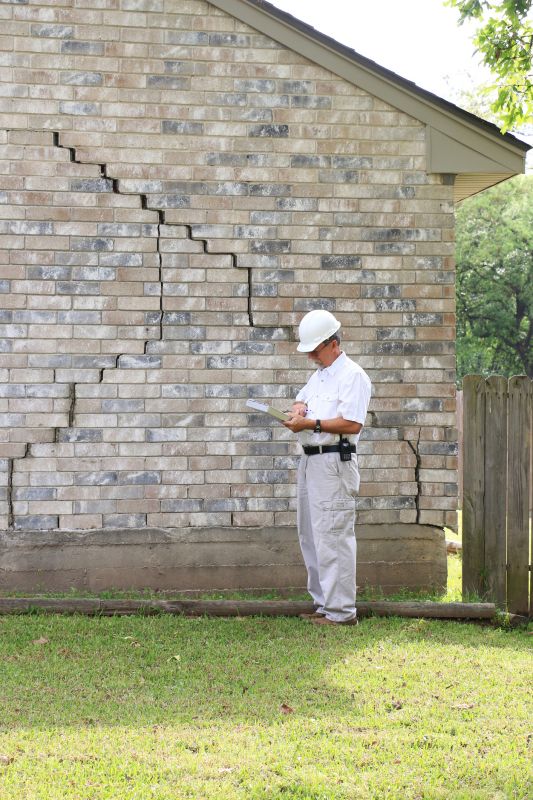

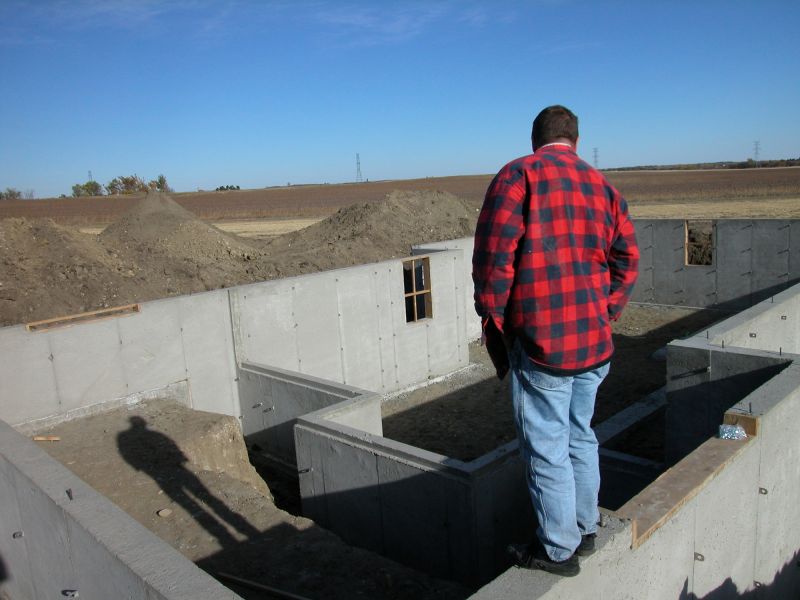
A commercial foundation inspection is a crucial step in assessing the structural integrity of a building's base before undertaking major renovations, repairs, or new construction projects. When searching for information about what to expect during this process, property owners and managers often want to understand how the inspection is conducted, what areas are examined, and what signs of trouble might be identified. Typically, these inspections focus on evaluating the stability of the foundation, checking for visible cracks, uneven settling, or signs of water damage that could compromise the structure. Knowing what to anticipate helps property owners prepare for the process and ensures they can address any issues uncovered during the inspection with the help of experienced service providers.
Commercial foundation inspections relate to a variety of property types, including retail centers, office buildings, warehouses, industrial facilities, and multi-family residential complexes. These properties often have large footprints and complex structural systems that require thorough evaluation. Problems such as shifting soil, poor drainage, or previous construction errors can lead to foundation issues that threaten the safety and functionality of a property. Property owners may seek an inspection to confirm the stability of their buildings, plan for repairs, or verify that the foundation meets safety standards. Local contractors who specialize in commercial foundation inspections are equipped to handle the unique challenges of these properties, providing detailed assessments that help guide maintenance or renovation decisions.
During a commercial foundation inspection, professionals typically begin with a visual assessment of the exterior and interior of the building, looking for cracks, bulges, or other signs of movement. They may use specialized tools or equipment to measure the levelness of floors, check for uneven settling, and identify areas where water intrusion or erosion could be affecting the foundation. The process often involves examining the foundation walls, footings, and basement or crawl space areas to gain a comprehensive understanding of the building’s condition. Property owners should expect the inspection to be thorough but straightforward, with service providers explaining their findings clearly and suggesting appropriate next steps if issues are detected. This step is essential for maintaining the safety and longevity of a commercial property, especially when planning repairs or upgrades.
Understanding what to expect during a commercial foundation inspection helps property owners make informed decisions about their buildings. These inspections are typically non-invasive but may involve minor excavation or probing in some cases to assess soil conditions or structural components more closely. The goal is to identify existing problems early and prevent future damage that could be costly to repair. Local service providers who specialize in commercial foundation inspections are experienced in handling the unique requirements of different property types, ensuring a comprehensive evaluation. With their expertise, property owners can gain peace of mind knowing that their buildings are being carefully examined and that any necessary repairs or improvements are based on a detailed understanding of the foundation’s condition.
Structural Assessment Projects - These projects involve evaluating the integrity of building frameworks, utilizing similar inspection techniques to identify issues with foundations and load-bearing elements.
Soil Testing Services - Soil testing requires planning and specialized tools to analyze ground conditions, which are essential during foundation inspections to determine stability and suitability.
Drainage System Inspections - Ensuring proper drainage around structures involves similar site assessment skills and planning to prevent foundation issues caused by water intrusion.
Retaining Wall Evaluations - Inspecting retaining walls involves assessing structural stability and soil interactions, paralleling foundation inspection processes for safety and longevity.
Concrete Testing Services - Testing concrete strength and quality shares tools and planning methods with foundation inspections to verify material integrity before construction or repairs.
Building Envelope Assessments - These assessments examine the exterior enclosure of buildings, requiring detailed inspections comparable to those performed during foundation evaluations.

When evaluating commercial foundation inspection services, it is important for homeowners to consider the experience of local contractors with similar projects. An inspector with a history of working on commercial properties comparable to the current building can provide insights into potential issues and appropriate solutions. Asking for references or examples of past inspections can help gauge their familiarity with the specific challenges that might arise during a foundation assessment, ensuring that the evaluation will be thorough and tailored to the property's unique needs.
Clear, written expectations are essential when choosing a service provider for a commercial foundation inspection. A reputable local contractor should be able to outline what the inspection will cover, including the areas that will be examined and the types of issues to look for. This transparency helps homeowners understand what to anticipate during the inspection process and ensures that there are no surprises or misunderstandings about the scope of work. Having these expectations documented also provides a reference point for comparing different service providers and their proposed approaches.
Effective communication is a key factor when selecting a local contractor for a commercial foundation inspection. A professional service provider should be responsive to questions and able to clearly explain findings and recommendations in understandable terms. Good communication helps homeowners feel confident in the inspection process and ensures that any concerns or follow-up steps are addressed promptly. When comparing options, considering how well a contractor communicates can lead to a smoother experience and a better overall understanding of the foundation’s condition and necessary repairs or maintenance.
Property owners often search for what to expect during a commercial foundation inspection when they are planning practical projects around their homes and businesses. Local pros provide Commercial Foundation Inspection services for everyday jobs and straightforward project options.
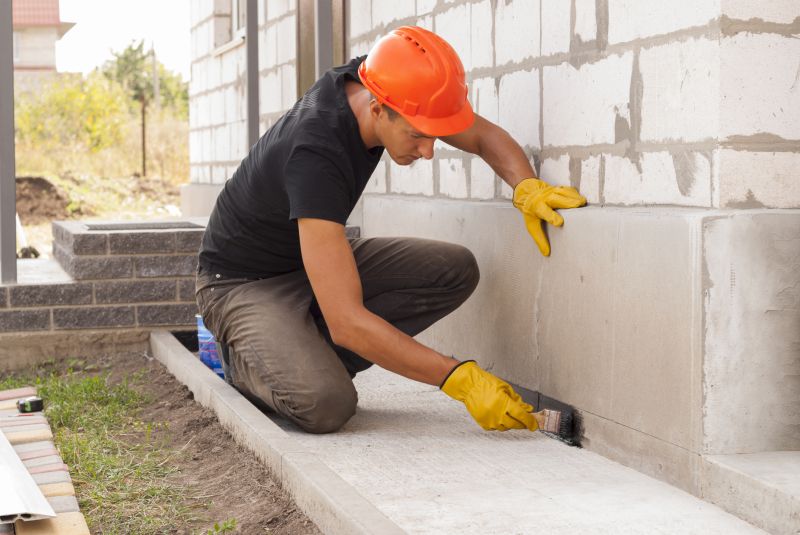

During a commercial foundation inspection, property owners can expect a thorough assessment of the building’s structural base. Typically, local contractors will begin by examining accessible areas such as basement walls, crawl spaces, and foundation exteriors. They may look for signs of cracking, shifting, or settling that could indicate underlying issues. The inspection often includes checking for uneven floors, gaps around doors and windows, or other visible indicators of foundation movement. This process helps identify potential problems early, providing property owners with a clearer understanding of the foundation’s condition and whether any repairs might be necessary to maintain the stability of the commercial structure.
For many property owners, understanding what to expect during a commercial foundation inspection is important for planning and peace of mind. Local service providers generally perform visual inspections complemented by simple tests to assess the foundation’s integrity. They might also evaluate drainage patterns and soil conditions around the building’s perimeter. Knowing what to anticipate during the inspection can help property owners prepare for the process and make informed decisions about ongoing maintenance or repairs. Connecting with experienced local contractors ensures that the inspection is comprehensive and tailored to the specific needs of each commercial property.
What happens during a commercial foundation inspection? During a commercial foundation inspection, local contractors assess the foundation for signs of damage or structural issues, including cracks, uneven settling, and moisture problems. They may perform visual examinations and use specialized tools to evaluate the condition of the foundation. The inspection typically includes checking for evidence of water intrusion, soil movement, or other factors that could affect stability.
What areas do commercial foundation inspections cover? Inspections generally focus on the foundation's surface, walls, and footing areas. Local service providers evaluate the overall integrity of the foundation, including basement or crawl space conditions if applicable. They also examine surrounding soil and drainage systems to identify potential causes of foundation problems.
How do local pros identify foundation issues during an inspection? Experienced contractors look for visible cracks, bulges, or shifting in the foundation and walls. They may use moisture meters or other diagnostic tools to detect hidden problems like water intrusion or soil movement. A thorough inspection helps pinpoint the underlying causes of foundation concerns.
What should property owners do to prepare for a commercial foundation inspection? Property owners should ensure easy access to the foundation areas and clear away any obstructions. Providing relevant information about past issues or repairs can help the service provider conduct a more comprehensive assessment. It's also helpful to note any signs of foundation problems noticed on the property.
What are the typical next steps after a commercial foundation inspection? After the inspection, local contractors usually provide a detailed report of their findings and recommend necessary repairs or stabilization measures. They may discuss options for addressing identified issues and help property owners understand the scope of work needed to maintain or restore foundation stability.
Initial Visual Assessment - Property owners can expect local contractors to perform a thorough visual inspection of the foundation’s exterior and interior for signs of damage or movement.
Soil and Drainage Evaluation - Professionals may assess the surrounding soil and drainage conditions to identify factors that could affect foundation stability.
Structural and Material Inspection - Inspectors will examine the foundation materials for cracks, deterioration, or other issues that could compromise the structure.
Reporting and Recommendations - After the inspection, local service providers typically prepare a detailed report outlining findings and potential next steps for repairs or further analysis.
If you are thinking about what to expect during a commercial foundation inspection for a property, this guide is meant to help you understand this topic, the typical project types, and how different options might fit your plans.
When you are ready, you can use the quote form on this page to share a few details about your project. From there, local pros can review the basics and follow up with options that match what you have in mind.